What a youth marketing agency does
Youth marketing is the work of winning people between roughly 16 and 26 while they are choosing their first brands: first phone, first bank account, first skincare routine, first food-delivery habit. India has about 377 million Gen Z consumers and more than 40 million students in higher education, and most of their choices are made in a group chat, on a feed or in a college corridor, not in front of a TV.
A youth marketing agency plans and runs campaigns inside those spaces. At Youthfluence that means five things: youth research and strategy, campus activations and sampling, campus ambassador programmes, student creators and UGC, and performance-led acquisition. What it should not mean is a celebrity post and a hashtag. Young audiences trust peers over polish, and the campaigns that work are the ones they take part in.
How Youthfluence runs youth marketing
Every programme is built from the same five pillars, picked and combined for the brief. Campus activations put the product in students' hands through stalls, fests, societies and sampling. Campus ambassador programmes build a trained student community that advocates for the brand across a semester. Student influencer marketing and UGC campaigns turn 50K+ creators into content the audience believes. Youth user acquisition converts all of it into installs, signups and registrations. Digital amplification carries launches through student media pages and WhatsApp networks.
One team owns the plan, the ground operations, the creators and the report, so there is one brief, one budget and one number to judge the work by.
Proof from the campaigns
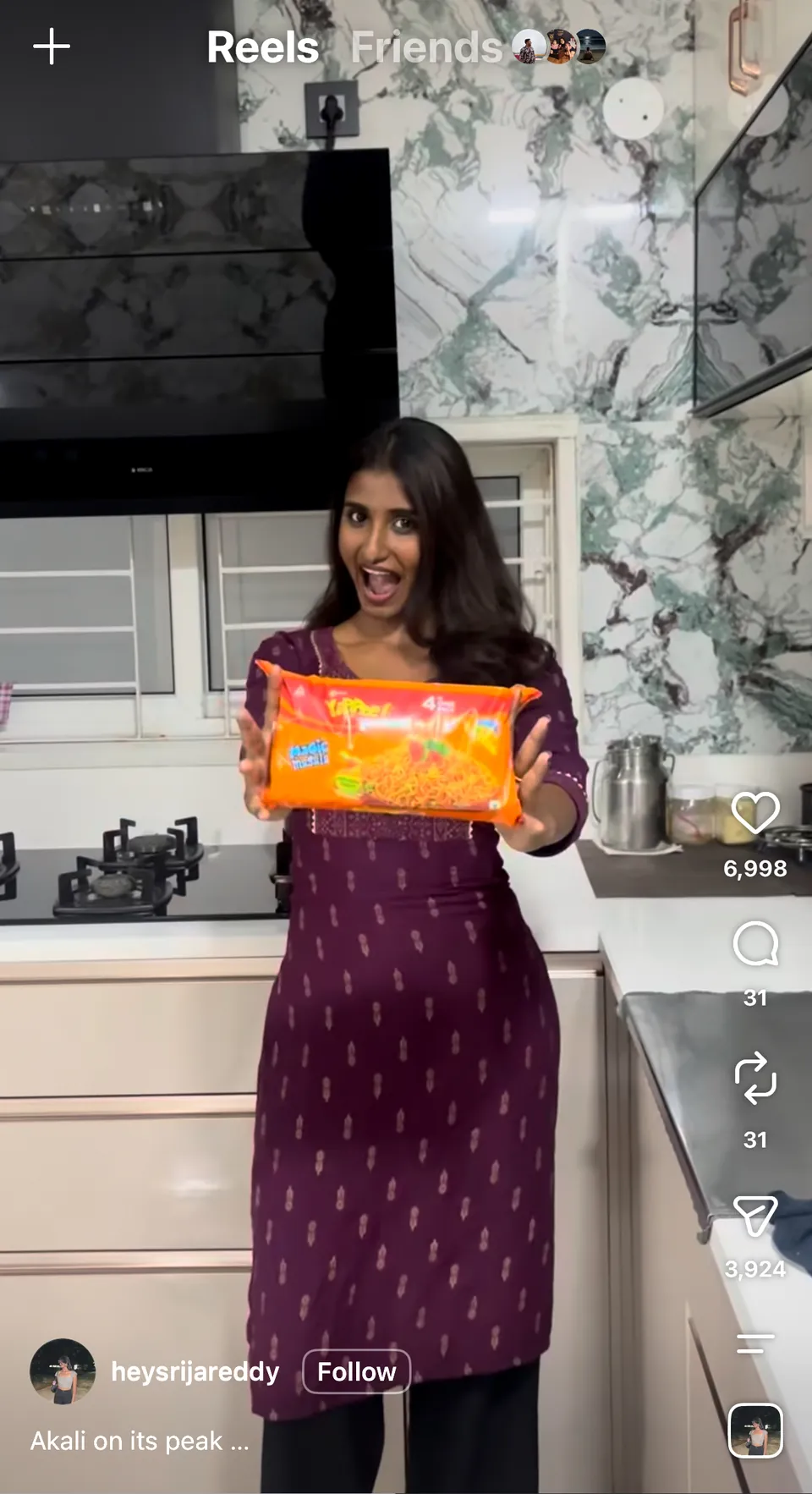
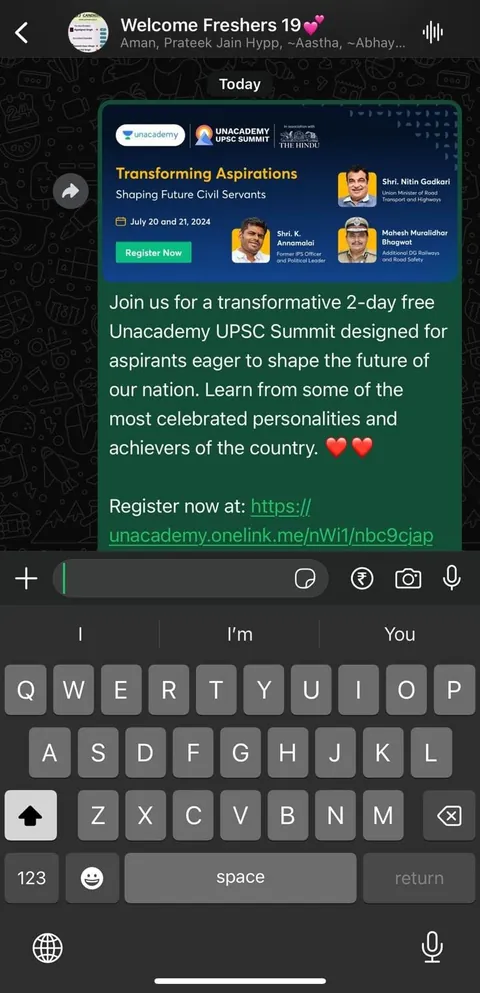
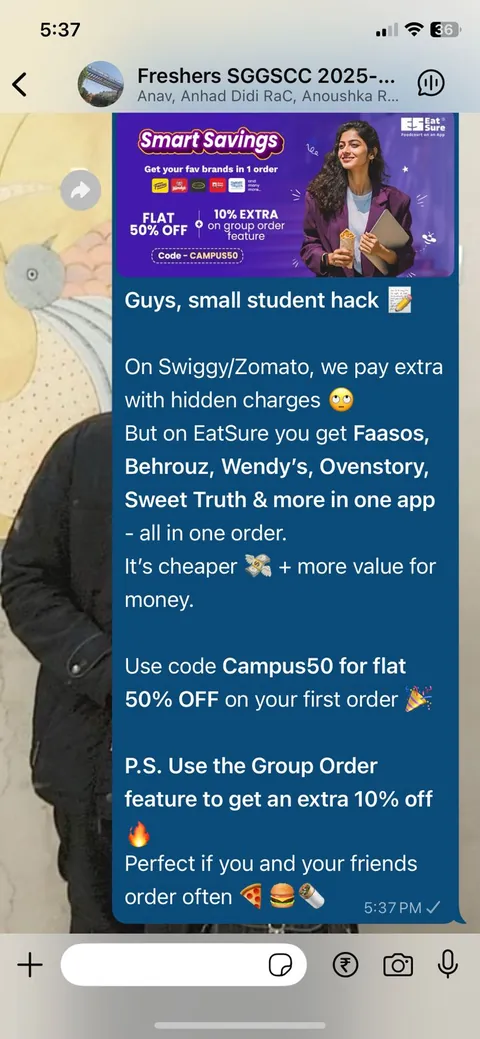
Numbers from recent work, each one a full case study: ITC YiPPee! reached 1.6M+ views with student creators; Unacademy filled 8.5K+ registrations through campus outreach; EatSure added 30K+ signups from student communities; Bombay Shaving Company crossed 5.6M views on a sensitive category; Pee Safe sampled 4.5K+ students through ambassadors; Motorola put phones in 1K+ students' hands and 900K+ views.
Where we run
We run in Delhi, Mumbai, Bangalore, Pune, Hyderabad, Chennai, Kolkata and 200+ cities including the college towns that national plans forget: Kota, Manipal, Pilani, Vellore and Roorkee. Every city has its own campus playbook.
What youth marketing costs, and how fast it starts
Most brands start with a pilot. Indicative bands, before GST: a single-city pilot or a creator-only campaign from ₹2 lakh; a multi-city programme with ambassadors, activations and creators ₹5 to 15 lakh; a national programme across 50+ colleges ₹15 to 50 lakh and above. You get a plan and an indicative budget within 48 hours of the brief, and most campaigns are live within 7 to 10 working days of sign-off.
Youth marketing, campus marketing, Gen Z marketing: the difference
The three overlap, and brands use them loosely. Youth marketing is the broadest: everyone from late teens to mid-twenties, on and off campus. Campus marketing is youth marketing done inside colleges, where the audience is concentrated and reachable in person. Gen Z marketing describes the generation rather than the place, and leans on creators, communities and culture. Youthfluence does all three because in India they are the same people on the same day: a student at a fest in the morning, a creator by evening, a buyer at night.