The move toward student creators isn’t new, but the reasoning behind it has matured considerably. Two years ago, most D2C brands dabbling in campus creator ecosystems were doing it because it felt culturally relevant — a way to signal youth appeal without committing serious budget. The results were predictably thin. Now the brands that are investing properly are doing it for harder commercial reasons, and the outcomes are beginning to reflect that shift in intent.
Understanding why requires looking at what’s actually broken in the standard D2C acquisition playbook — and what student creator networks solve for that other channels don’t.
The Paid Digital Problem That No One Wants to Say Out Loud
D2C brand economics in India are under real pressure. Meta CPMs have risen consistently. The performance marketing returns that brands were building growth models around in 2019–2021 have compressed. The categories that are most affected — beauty, personal care, fitness, apparel, food — are exactly the categories where Gen Z is the primary target consumer.
What this means practically is that brands in these categories are spending more to acquire users who are increasingly skeptical of the advertising they’re being served. Gen Z has developed a fairly sophisticated immune response to direct-response advertising. They don’t turn off the product instinct — they still discover and buy new brands constantly — but the channel through which that discovery happens has shifted. It’s increasingly peer-led, recommendation-led, community-led.
The brands paying attention to this aren’t abandoning paid digital. They’re supplementing it with creator channels that reach the same demographic through a fundamentally different mechanism: social proof from a peer rather than a claim from a brand.
Student creators sit at the center of this shift for two reasons. First, they are peers — they are literally the demographic the brand is targeting, speaking to people in their actual social environment. Second, the cost of accessing their audience is a fraction of what a macro-creator charges for reach that is arguably less trusted because the audience knows it’s been paid for at scale.
What Makes the Student Creator Different
There’s a category error that happens when brands lump student creators in with “micro-influencers.” The micro-influencer framing is about follower count — a way of describing smaller-scale digital creators who happen to be below the macro-creator threshold. The student creator is something more specific.
A student creator’s audience is structurally different from a typical micro-influencer’s. The followers are often real-world peers — people from the same college, the same city, the same degree program. The relationship between creator and follower is grounded in shared context. When a student creator recommends a skincare product or a protein supplement or a budgeting app, the audience evaluating that recommendation isn’t applying the same “is this genuine?” filter they’d apply to a lifestyle influencer with 200K followers. They’re applying the filter they’d apply to a friend’s recommendation: does this person actually use this thing, and does it work for someone in my situation?
That’s a different — and usually more powerful — credibility signal than reach alone produces.
For D2C brands selling products where the purchase decision is peer-influenced (which describes most personal care, fitness, and lifestyle categories), this matters more than it might seem. The student creator isn’t just a content vehicle. They’re a trust transfer mechanism operating inside a dense social network.
The categories where this plays out most clearly are beauty and personal care, functional nutrition and fitness, fashion and streetwear, and productivity or finance apps. In each of these, the core purchasing behavior for 18–24 year olds is heavily shaped by what people in their peer group are using and recommending. A student creator who has built a genuine audience around one of these niches — campus fitness life, affordable fashion styling, skincare for hostel conditions — has done the hard work of establishing category credibility before any brand brief arrives.
The Creator Ecosystem That’s Actually There
The available pool of student creators in India is considerably more developed than most brand teams realize, partly because it doesn’t organize itself the way the traditional creator economy does.
The top-tier student creator ecosystem isn’t centered on Instagram Reels or YouTube. It’s organized around niche communities — college meme pages with genuine campus audiences, finance and career communities on Telegram, fitness accountability groups, department-specific Discord servers, and WhatsApp communities that function as trusted peer recommendation networks. The creators operating inside these spaces have often built audiences that are more engaged and more homogeneous than general lifestyle creators with five times the follower count.
This is where student influencer marketing done well produces results that performance marketing can’t easily replicate. A recommendation that travels through a trusted community channel — shared in a Telegram group of 2,000 engineering students, or posted to a college meme page that 8,000 students from a specific campus follow — reaches a demographically precise audience with a credibility that no paid placement achieves.
The operational challenge is that these creators are harder to find through standard influencer discovery tools, which index primarily for Instagram and YouTube metrics. The actual mapping of student creator ecosystems requires direct campus network knowledge — understanding which accounts have real community standing, which pages have genuine engagement from their specific campus audience, and which creators are respected enough within their peer group that their recommendations carry weight.
What Brands Actually Get Right (and Wrong)
The D2C brands that are running effective student creator programs share a few operational characteristics.
They brief for authenticity over format compliance. The most common mistake is treating student creator briefs like digital advertising briefs — specifying exact messages, required hashtags, mandatory product shots, and approval workflows that add two weeks between brief and post. That process produces content that looks sponsored because it was produced like sponsored content. The brands getting better results are giving creators a product, a clear understanding of what it’s meant to do, and significant latitude in how they communicate it. The resulting content is messier, less polished, and considerably more convincing.
They match product to creator context honestly. A protein supplement brand working with a campus fitness creator who genuinely uses protein supplements is a natural fit. The same brand working with a campus fashion creator because they have a large following is not — the audience mismatch produces weak engagement and the creator’s recommendation lacks the contextual credibility that makes it valuable. Category fit between product and creator is more important than reach, and the brands that prioritize it see meaningfully better conversion behavior from their creator programs.
They think in networks, not individual placements. A single student creator post, however well-executed, doesn’t move brand metrics in a measurable way. The D2C brands building real campus creator strategies are working with clusters of creators across multiple campuses simultaneously — 15 to 30 creators in a coordinated activation, each speaking to their own campus community in their own register, creating a distributed word-of-mouth effect that aggregates into something significant. This is closer to how campus ambassador programs operate than how standard influencer campaigns are structured, and the distinction matters for how the budget is allocated and how results are measured.
The Meme Layer
One thing that distinguishes campus creator ecosystems from standard influencer ecosystems is the role of meme culture as a parallel distribution channel.
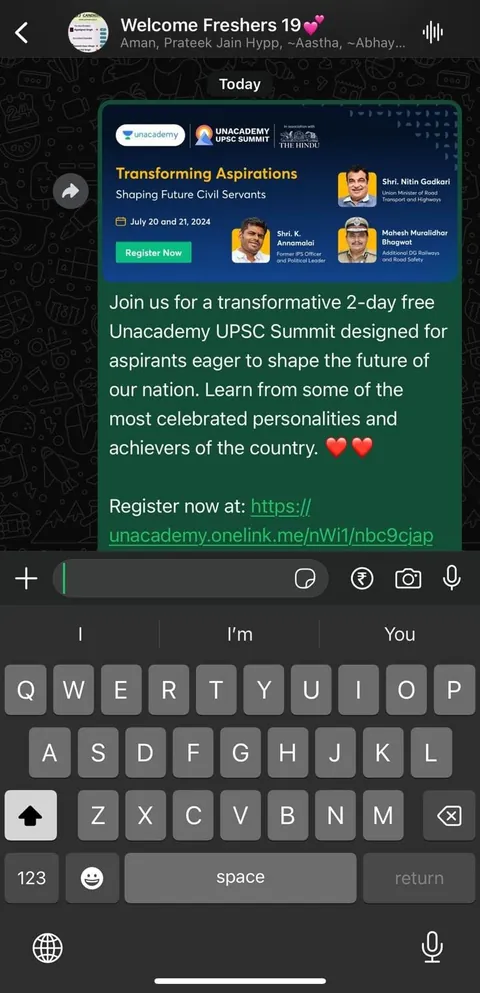
A D2C brand that has achieved genuine cultural traction with Gen Z students will find that the campus meme pages start engaging with the product organically — reviews that are funny, comparisons with competitors, jokes about product experiences. This is a leading indicator of real cultural penetration, and it’s something that paid influencer campaigns rarely produce. It happens when the product has genuinely landed, when students are experiencing it, talking about it, and folding it into the shared cultural vocabulary of their campus community.
The meme marketing play for D2C brands is most effective when it follows, rather than precedes, genuine product experience. Seeding meme content about a product that students haven’t encountered yet feels forced. Amplifying meme culture that’s emerging organically around a product students are already using — that’s a much more efficient spend, because the authenticity is already there.
The Honest Constraint
Student creators are not a universal solution to D2C acquisition problems, and the brands that frame it that way will be disappointed.
The channel works for products with genuine student utility and products where peer recommendation is a primary decision driver. It works less well for products with long consideration cycles, high price points that require significant trust-building, or categories where the target student demographic is too narrow to justify a multi-campus creator network. A premium furniture brand targeting young working professionals isn’t going to find its core user among second-year undergraduates, regardless of how well-executed the student creator program is.
The other honest constraint is measurement. Student creator programs — especially those that operate through community channels rather than public social posts — are harder to attribute than paid digital. The conversion path from a Telegram group recommendation to an app download or a website purchase often doesn’t run through a traceable link. Brands that require clean last-click attribution from every channel will find the reporting frustrating, even when the actual impact on acquisition behavior is real.
The way around this is to measure at the campus cohort level rather than the individual creator level — comparing acquisition rates, retention profiles, and referral behavior in campuses where creator programs are running against comparable campuses where they aren’t. That kind of measurement requires patience and a willingness to hold complexity, but it tends to reveal the channel’s actual contribution more accurately than per-post metrics do.
Where This Is Heading
The student creator ecosystem in India is still early relative to where it will be in three to four years. The current generation of college students who are building campus audiences now will become the young working professional cohort that D2C brands spend aggressively to reach later. The brands that build genuine relationships with these creators at the campus stage — and develop the operational competence to work with student creator networks effectively — are building an advantage that will compound as the demographic moves into higher purchasing power.
The brands that treat student creators as a budget-optimization play — a cheap alternative to macro-influencers — will get budget-optimization results. The ones treating it as a genuine channel with its own logic, its own measurement framework, and its own operational requirements are building something more durable.