Campus marketing is the work of reaching students inside their colleges: in canteens and hostels, at fests and society events, in classrooms before the lecturer arrives and in the WhatsApp groups that actually run campus life. India has more than 40 million students in higher education across roughly 50,000 institutions, which makes campus the single most concentrated place to meet 18 to 24 year olds in person, get a product into their hands and turn the people who liked it into advocates.
This guide is written for brand and marketing teams deciding whether campus marketing belongs in the plan, and how to do it without the two classic failures: a photo album of stalls with no results, or a spreadsheet of installs with no brand built.
Why campus matters more in India than almost anywhere
Three things make Indian campuses unusual. The density is extreme: a single university cluster in Delhi, Pune or Manipal holds more 18 to 24 year olds than many mid-sized cities. The calendar is predictable: admissions, fests, exams and placements repeat every year, so campaigns can be timed to moments when students are open to trying something new. And the social graph is tight: hostels, societies and batch groups mean a product that lands with the right 50 students reaches 5,000 within a week.
The result is that first brand choices get made on campus. The first UPI app, the first credit line, the first razor or skincare routine, the first food-delivery habit, the first laptop. Brands that win those choices tend to keep the customer for years.
The formats, and what each one is for
Campus activations. Stalls, kiosks, workshops, competitions and fest tie-ups. Best for trial, awareness and content. The work is in permissions, timing and the design of the interaction; a stall nobody has a reason to visit is just furniture.
Campus sampling. Trained teams hand the product to the right students at the right moment, capture feedback and route the trier to the next step (a code, a group, an app). Works for FMCG, personal care and food, and increasingly for fintech and apps when paired with an incentive.
Campus ambassador programmes. Students are recruited, screened, onboarded and given missions for a semester: run micro-activations, share offers in class and society groups, create content, report back. This is the format that compounds, because the same ambassadors can carry three or four campaigns a year.
Student creators and UGC. Creators who are actual students, briefed on real college moments. A nano creator with 5,000 followers in her own college converts better than a celebrity, and a hundred of them produce the volume of native content a Gen Z feed demands.
Societies, fests and WhatsApp networks. Sponsorships, society partnerships and college media pages extend an activation beyond the people who were physically there.
Most briefs use two or three of these together: an activation to create the moment, ambassadors to sustain it, creators to amplify it, and a performance layer to measure it.
How a campus campaign runs
- Brief. Brand, audience, cities, timing and the outcome you will judge the work by.
- Plan. Colleges, formats, creators, calendar and an indicative budget, usually within 48 hours.
- Permissions and recruitment. College approvals, society partners, ambassadors screened and trained.
- Activation. On-ground teams and creators run together, typically within 7 to 10 working days of sign-off.
- Report. Footfall, samples, content, reach and the conversion metric from the brief, plus what to change in the next wave.
What campus marketing costs in India
Prices vary with formats, cities and samples, but the bands are fairly stable. A single-city pilot or a creator-only campaign starts around ₹2 lakh. A multi-city programme that combines ambassadors, activations and creators usually lands between ₹5 and 15 lakh. A national programme across 50 or more colleges runs ₹15 to 50 lakh and above. The useful number is not the total but the unit cost: per sample, per install, per registration, per qualified lead. A good pilot proves that unit cost beats your existing channels before you scale.
How to measure it
Measure the action the brief asked for, not the proxy. Activations and sampling: footfall, samples, feedback and the redemption rate of whatever came next. Ambassador programmes: missions completed, content produced, referrals and sentiment. Creator work: views and reach, but also saves, shares and the traffic or installs those posts drove. Acquisition campaigns: installs, signups, registrations and their quality after 30 days. One report should hold all of it.
Results from real campaigns
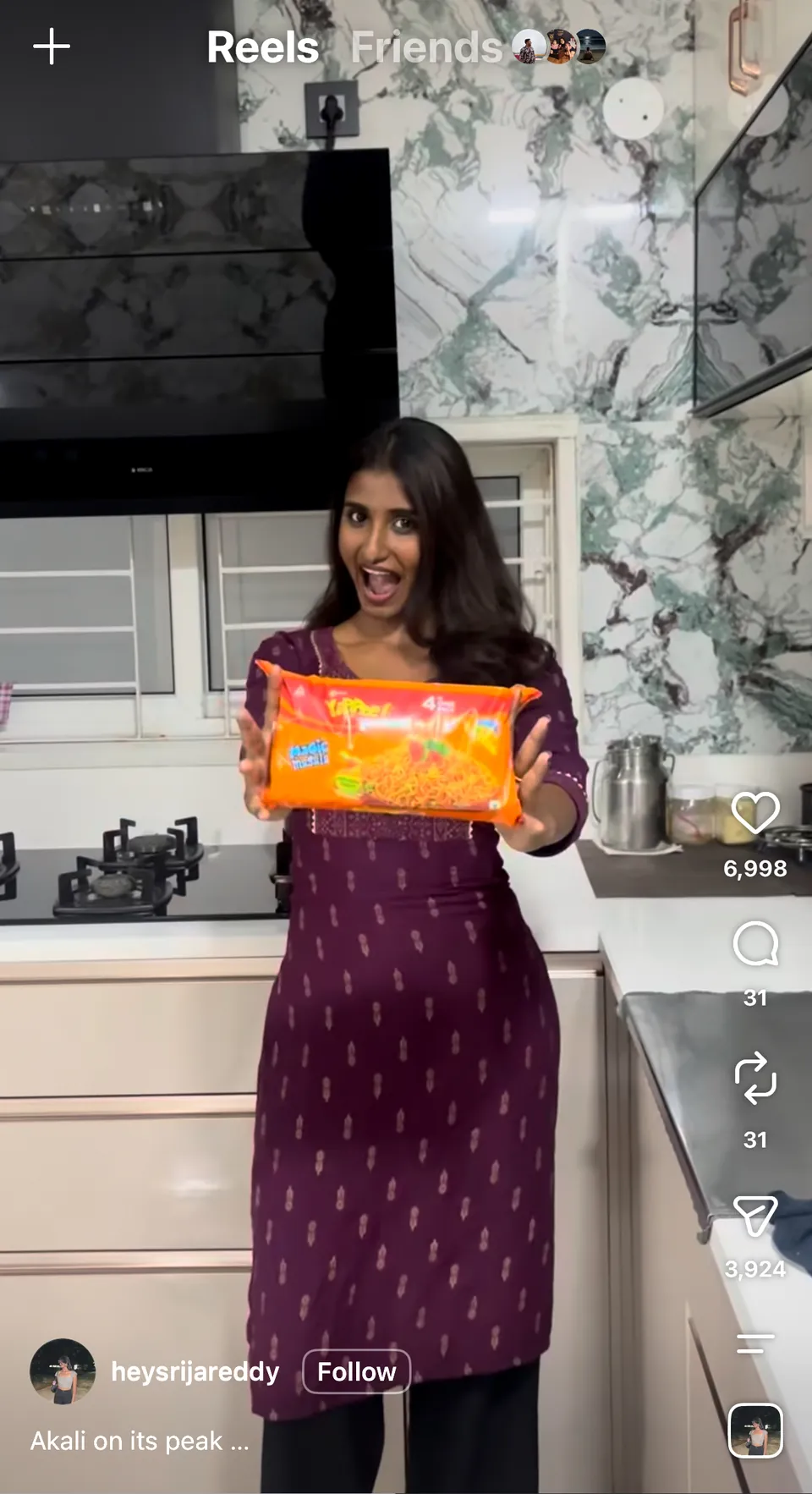
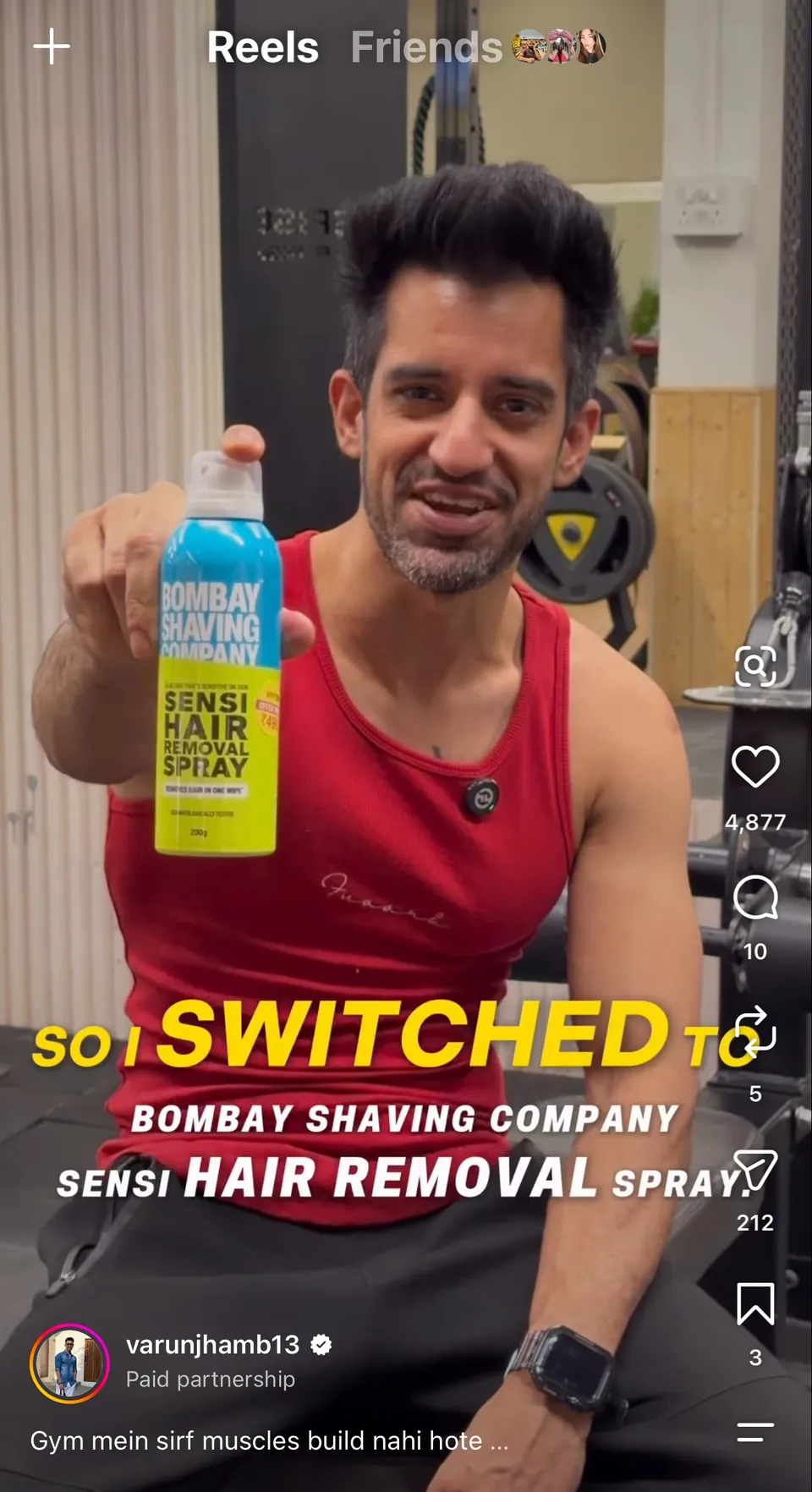
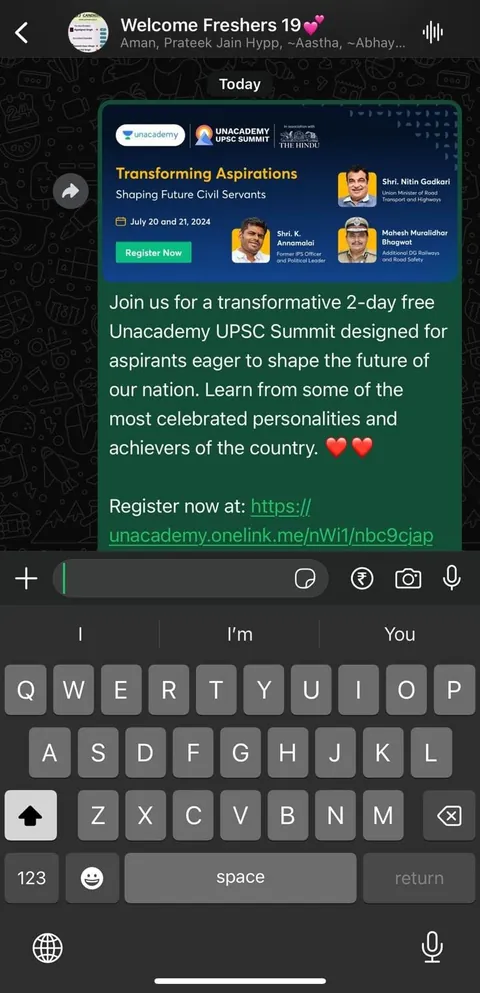
Unacademy filled 8.5K+ registrations for a UPSC summit through campus outreach and WhatsApp networks. ITC YiPPee! reached 1.6M+ views with student creators filming inside real college moments. EatSure added 30K+ signups from student communities. Pee Safe sampled 4.5K+ students through an ambassador-led drive. Bombay Shaving Company crossed 5.6M views on a category most agencies avoid. Motorola put phones in 1K+ students’ hands at activations and earned 900K+ views on the content around them. Each is a full case study on this site.
How to brief a campus marketing agency
Say what the outcome is, who the student is (course, year, city, income band), which cities matter and why, when the window is, and what you have tried before. Ask the agency which colleges it can actually access, how it recruits and pays ambassadors, how it handles permissions, and what the report will contain. Then run a pilot you can judge in six weeks.
Campus marketing rewards brands that show up properly and keep showing up. The campuses do not change much year to year; the brands that are present when the first choices are made do.